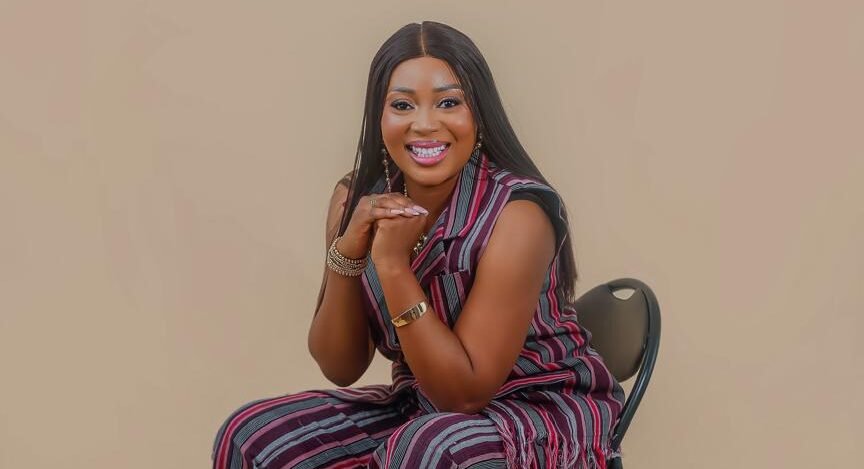

Olamibo Balogun is a Nigerian-born, UK-based author, educationist and literacy advocate who is passionate about helping children learn, grow and see themselves in the stories they read. With over two decades of experience in education, she has used her work as a teacher and writer to address important issues affecting children, from child safety and menstrual health to confidence and self-belief.
Through books such as Lily’s Little Secret with Mummy, Lily’s Evolution: A Girl’s Guide to Navigating Periods with Confidence and Teenah: The Girl Who Dared to Be Different, Olamibo tells stories that educate, encourage and open up important conversations. Her latest book, Grandmas’ Pots, celebrates African heritage, family memories and the traditions passed down through generations.
Launched last week in commemoration of Black History Month, observed in the UK in October, Grandmas’ Pots is a reminder of the importance of preserving African stories and passing them on to the next generation.
In this conversation with HERALDINGS (H), we caught up with Olamibo on the inspiration behind her new book, her journey as a children’s author, the importance of African stories and her hopes for the next generation of young readers.
H: Beyond your work and achievements, who is Olamibo Balogun? What values guide you in life?
OB: I am a woman who loves God, believes in people and wants to make a difference in their lives. I am a teacher, a storyteller and someone who cares deeply about children, girls and women.
My life is guided by faith, honesty, kindness and service. I believe we should use what we have to help others grow.
For me, education goes beyond the classroom. It is also about building confidence, helping people discover their strengths and showing them what they can achieve.
Life has taught me to keep going, even when things are difficult. I have had to learn new things, start again and step outside my comfort zone. These experiences have helped me grow.
In the end, I want to be remembered not just for the books I have written or the programmes I have started, but for the lives I have touched and the opportunities I have helped create.
H: You have spent over two decades in education. How did you become interested in writing children’s books?
OB: My love for writing grew from my work as a teacher and my love for children. Over the years, I have seen that children need more than what they learn in the classroom. They also need guidance, encouragement and stories they can relate to.
My background in teaching English helped me understand the power of words and stories. I realised that a story could teach a child something they would remember for years.
I wanted to write books that answer children’s questions, talk about important issues and help them understand themselves and the world around them.
That was part of what inspired books like Lily’s Little Secret with Mummy, which talks about child safety, and Lily’s Evolution: A Girl’s Guide to Navigating Periods with Confidence, which helps girls understand menstruation.
For me, writing is another way of teaching. In the classroom, I reach the children in front of me. Through books, I can reach children in homes, schools and communities I may never visit.
Becoming a children’s author is another way for me to do what I love: help children learn, grow and believe in themselves.
H: Your books cover topics like child safety, menstruation and self-belief. How do you choose the stories you write?
OB: I pay attention to the things that affect children’s safety, confidence and future. I also think about the questions children have but may not know how to ask, and the things adults sometimes find difficult to discuss.
Some topics may make adults uncomfortable, but that does not mean we should ignore them. We need to find the right way to talk about them, especially when children are involved.
When I think about a story, I ask myself: What does a child need to know? What conversation can this book start? Can it help a child feel less alone, make a safer choice or believe in themselves?
I also believe children’s books should not only focus on problems. Children need stories about family, friendship, culture and imagination. They need books that reflect their lives and introduce them to other people and places.
I want children to enjoy the stories they read and learn something useful from them without feeling as if they are reading a textbook.
H: Lily’s Little Secret with Mummy and Lily’s Evolution discuss topics many families find difficult to talk about. Why did you write these books?
OB: I wrote these books because I believe children need the right information to understand their bodies and keep themselves safe.
Child safety is very important to me. Children need to know that their bodies should be respected, that they have a right to feel safe and that they can speak to a trusted adult when something makes them uncomfortable. Lily’s Little Secret with Mummy helps parents and children start that conversation.
Menstruation is another important topic. It is a natural part of growing up, but many girls still feel afraid, ashamed or confused because nobody has explained it to them properly. Through Lily’s Evolution, I want girls to understand their bodies and feel confident rather than ashamed.
A book can make these conversations easier. Parents can read with their children and explain important things. Teachers can also use the stories to start conversations in a safe and friendly way.
I hope parents will become easier for children to talk to, teachers will feel more comfortable discussing these topics, and children will understand that it is okay to ask questions.
A book cannot solve every problem, but it can start an important conversation and help children know where to turn when they need help.
H: In Teenah: The Girl Who Dared to Be Different, you write about a girl facing difficult circumstances. What inspired the story, and what do you want girls to learn from it?
OB: The story reflects something I strongly believe: a difficult beginning does not have to decide how a person’s life will end.
As someone who cares about girls’ education and empowerment, I worry about the things that stop girls from reaching their full potential. These may include poverty, lack of access to education, social pressure and early pregnancy.
I wanted to write a story that encourages girls to look beyond what they are going through and understand that they still have a future.
Sometimes, life does not go as planned. A girl may face a setback, but that does not mean she should give up on her dreams.
Girls who experience early pregnancy, for example, still need support and opportunities to continue their education or learn skills that will help them build a good life. They need people who will encourage them instead of judging them.
We must also work to prevent early pregnancy by making sure girls have the information, protection and support they need.
I want girls to know that they are more than their circumstances. Their dreams still matter, their voices should be heard, and they deserve the chance to build a future they can be proud of.
H: Writing a book is one thing, but publishing it and getting it to readers is another. What has the experience been like for you?
OB: It has been rewarding, but it has also taught me a lot. Writing the story is only one part of the work. You still have to edit it, proofread it, work on the illustrations, publish it, print it and find ways to get it to readers.
One of the biggest challenges is getting books into the hands of the children who need them. You can write a very important story, but if people do not know about the book or cannot afford it, many children may never read it.
Funding is another challenge. Producing a good children’s book costs money, and you still want to make it affordable for families.
Writing for children also takes a lot of thought. You have to understand the age group, use words children can understand and work with illustrations that help tell the story. A children’s book may be short, but producing it well takes work.
Being an author also means talking about your books, building relationships and finding ways to reach more readers.
My journey has taught me patience and the need to keep believing in a story, even when things are difficult.
For me, success is not only about how many books you sell or publish. It is also about the child who gains confidence from reading your book, the parent who starts an important conversation or the teacher who uses it in the classroom.
I am still learning with every book I write, and seeing my books reach readers reminds me why I started.
H: Your book Teenah: The Girl Who Dared to Be Different reached children in Liberia through support from the Orange Liberia Foundation. What did that mean to you?
OB: It meant a lot to me. Through the support of the Orange Liberia Foundation, the book was printed and distributed to children free of charge. This helped it reach more readers than I could have reached on my own.
It showed me what can happen when an organisation believes in a story and is willing to support it.
My connection with Liberia also made the experience special because I had served there and worked in a different educational and cultural setting.
Nigeria and Liberia have their own histories, but children in both countries face similar questions about education, opportunities and their future. A story about a girl trying to overcome difficulties can speak to children in different places because many of their hopes and struggles are similar.
The experience also showed me how important partnerships are. Authors may have stories worth telling, but foundations, schools, businesses and community organisations can help those stories reach more children.
I believe African stories should travel further. Our children need books that reflect their lives, and we need more organisations willing to support these books.
For me, it was not just about getting books into children’s hands. It was about sharing a message of hope and reminding young people that they still have a future to look forward to.
H: Your new book, Grandmas’ Pots, celebrates grandmothers, family memories and African traditions. What inspired you to write it?
OB: Grandmas’ Pots is a very personal book because it comes from my memories of my two grandmothers and the different lives they represented.
My maternal grandmother, Mrs Ajoke Adeoye, reminds me of life in Jos, the military barracks and a more modern kitchen. I remember meals like lafun and ewedu.
My paternal grandmother, Mrs Ruth Ariyo, reminds me of Ondo, a more traditional kitchen, cooking with firewood and meals like ila asepo and gbanunu, prepared in the familiar ikoko irin.
When I think about these memories, I think about more than food and cooking pots. I think about family, love, belonging and the things we learn from older generations.
I wanted to keep those memories alive in a book that children could enjoy. Sometimes, we take everyday experiences for granted until we look back and realise how special they were.
Children today are growing up in a world shaped by technology and many different influences. That is not a bad thing, but I believe they should also know the stories, languages, traditions and family experiences that connect them to their roots.
Keeping our culture alive does not mean rejecting modern life. It means knowing where we come from so that we can move into the future without losing who we are.
I also hope the book will encourage children to ask their grandparents questions. They can learn about how people lived, what they ate, how they prepared meals and the experiences that shaped their families.
Our heritage is not only found in history books or museums. It is also in our homes, food, language, memories and the people who share their stories with us.
I hope that when children read Grandmas’ Pots, they will appreciate their grandparents more and understand that even an ordinary cooking pot can hold special memories and stories.
H: Many children still do not have enough books to read. What needs to change to help more Nigerian children enjoy reading?
OB: I think we need to do more than talk about reading. We need to make books available and help children enjoy reading as part of their everyday lives.
First, children need access to books. It is difficult to develop a reading habit when books are too expensive or hard to find. We need better school libraries, community libraries, mobile libraries and programmes that take books directly to children.
We also need to help children see reading as something they can enjoy, not just something they do for exams or homework. Children should be able to choose stories they like and read for pleasure.
Parents can help even if they cannot afford to buy many books. They can tell their children stories, share folktales, read together when possible and talk about the stories their children enjoy.
Schools should encourage children to read beyond their textbooks. They can organise reading activities, support book clubs and give children time to talk about stories. Teachers also need the right books and support to help children improve their reading.
Authors and publishers have a role to play too. We need good, affordable books that reflect children’s lives. We need more stories from our communities, more books in Nigerian languages and books that introduce children to other parts of the world.
Government must also invest in libraries, reading programmes, teacher training and making books available.
Through Great Minds Literacy Readers and my other literacy work, I have continued to support opportunities for children to read, write and express themselves.
Everyone has a part to play. We cannot expect children to love reading if books are not available or if they are not given time and encouragement to read.
Every child, regardless of their background, deserves the chance to enjoy reading.
H: What advice would you give young people who want to become authors, especially those who want to write children’s books?
OB: My advice is simple: start writing, but take the work seriously.
First, read. If you want to write, you should also read. Explore different kinds of books and pay attention to how writers tell their stories and keep readers interested.
Second, write often. Do not wait until everything is perfect before you start. Write down your ideas, keep a notebook and allow yourself to make mistakes. You will improve with practice.
Third, understand the children you are writing for. Use words they can understand and think about the things they can relate to. But remember that a children’s book should not just be a lesson. It should also be interesting and enjoyable.
Fourth, do not be afraid to tell your own stories. Your family, community, culture and personal experiences can give you ideas that are special to you. Our African stories, languages and traditions deserve to be written down and shared.
Be open to advice too. Editors, illustrators, teachers, parents and even children can help you see what works and what needs to change.
Also, remember that being an author involves more than writing. You need to learn about publishing, marketing, selling your books and finding ways to reach readers. You can also visit schools, organise reading sessions and take part in writing workshops.
Do not measure your progress only by how quickly you publish or how much attention you get. Focus on improving your writing and creating books that matter to your readers.
Above all, never underestimate the power of a story. Something you write today may give a child courage, teach them something important or inspire them years later.
Your story matters, and your voice matters. Start writing, keep learning and give your stories a chance to reach the children who need them. You do not need to know everything before you begin. Take the first step and keep growing.